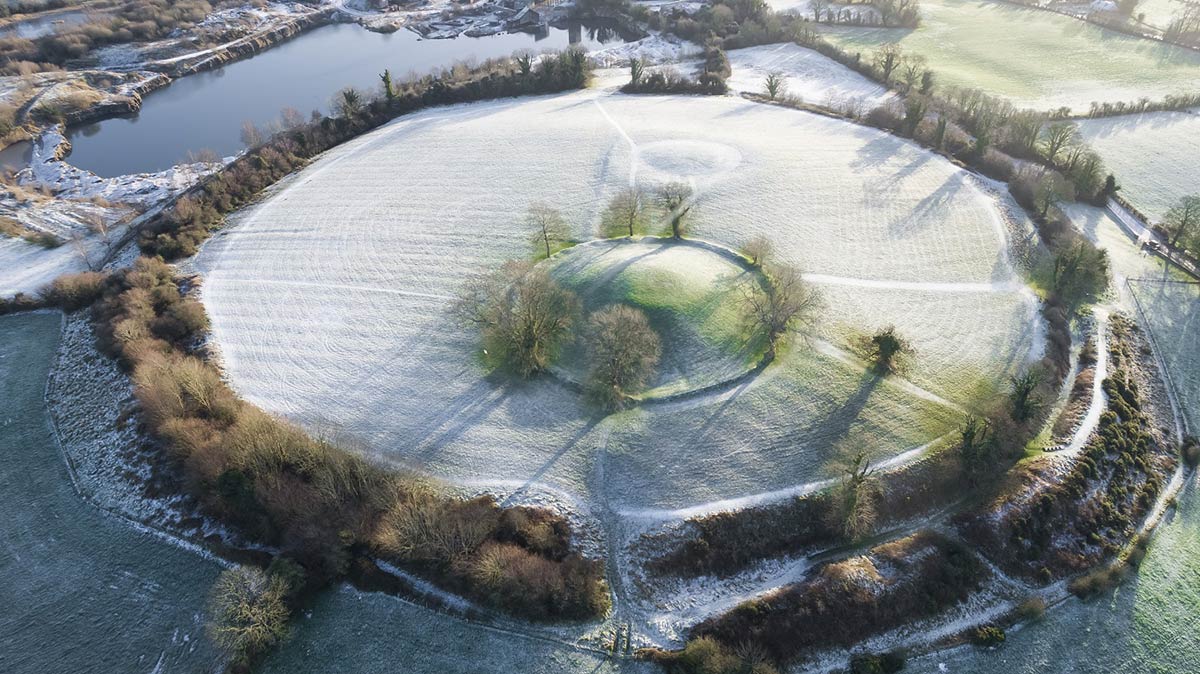
Follow the changing seasons at Navan Centre & Fort, where our ancient Celtic heritage inspires a year of gatherings, discovery and celebration. From the first promise of spring at Imbolc to the excitement of harvest time at Lughnasa, the atmosphere of Samhain and the stillness of midwinter, our seasonal events invite you to explore the stories and traditions that connect people, the landscape and the passing year.
At the heart of the Celtic calendar were four great seasonal festivals: Samhain, Imbolc, Beltaine & Lughnasa. Each marked an important transition in the year, reflecting the changing relationship between people, the land and the natural world. Alongside these festivals, the Solstices – the longest and shortest days of the year – held their own significance, marking the extremes of the sun’s annual journey.
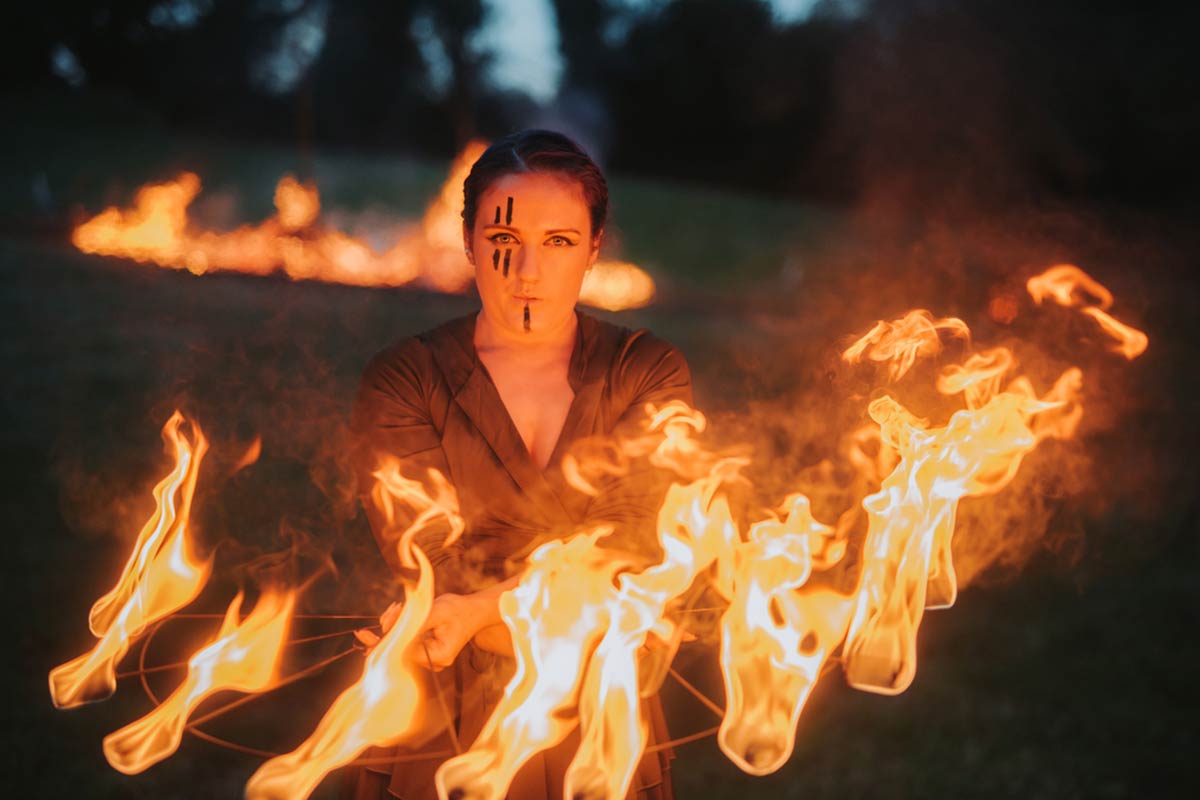
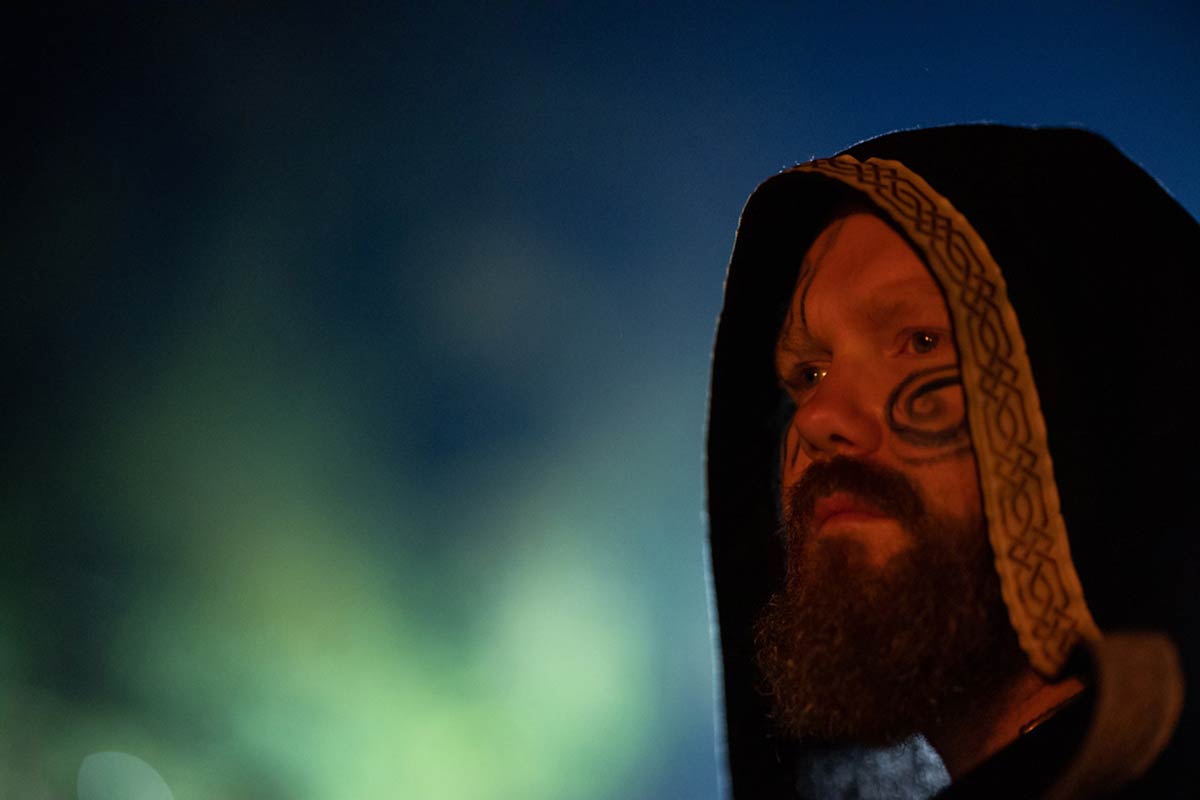
Today, Navan Centre & Fort brings these ancient traditions to life through a year-round programme of unique seasonal celebrations. From spectacular fire ceremonies and living history to mindfulness, storytelling, music and celebration, visitors can experience the spirit of the Celtic year in a place steeped in ancient mythology and heritage & reconnect with the traditions of our ancestors.
A year shaped by the land
For the communities of early Ireland, the seasons shaped everyday life. The movement of livestock, the arrival of new growth and the gathering of crops determined the work of the year and the food available through winter. Samhain, Imbolc, Beltaine and Lughnasa marked important thresholds in this cycle, bringing communities together to celebrate, share stories and express hopes for the months ahead.
Often described as Celtic festivals, these celebrations are particularly well known through Irish and Gaelic tradition. Much of what we know comes from medieval writing and later folklore. Customs changed across places and generations, but their enduring themes — community, protection, gratitude and renewal — still resonate today. Our events offer contemporary celebrations inspired by that rich heritage.
Imbolc — February
Celebrate the first promise of spring. Traditionally marked on 1 February, Imbolc signalled the beginning of spring. Its associations with lambing and the return of milk reflect the importance of livestock to early farming life. After the demands of winter, the first signs of new growth offered the prospect of fresh food and another productive season.
Imbolc is closely associated with Brigid, whose place in Irish mythology and the later traditions of St Brigid’s Day connects this time of year with creativity, care and renewal. These layers of tradition reveal how seasonal celebrations developed and found new meaning over time.
Join our Imbolc celebrations in February to explore the heritage of this hopeful turning point. Discover a festival that looks forward to brighter days and invites us to notice the first stirrings of spring in the world around us.
Beltaine — May
Welcome the beginning of summer. Beltaine, also known as Bealtaine or Beltane, traditionally falls on 1 May. It marked the opening of the summer grazing season, when cattle moved to fresh pasture and attention turned to the growth and wellbeing of animals, crops and communities.
Fire features prominently in accounts of Beltaine. Medieval Irish sources describe cattle being driven between two fires in a protective custom, reflecting how closely a community’s fortunes depended on its herds. Later May traditions, including flowers and decorated branches, also expressed hopes for good luck and a flourishing season.
Our Beltaine celebrations in May invite you to discover the stories behind this seasonal welcome to summer. Experience the heritage of a festival centred on the land, the promise of growth and the value of coming together as the brighter months unfold.
Wickerman Gathering — July/August
Come together for Lughnasa and the beginning of harvest. Traditionally celebrated around 1 August, Lughnasa marked the arrival of the first crops and a crucial stage in the farming year. The harvest was both a cause for celebration and a vital resource: its success would help determine how well a community could prepare for winter.
The festival takes its name from Lugh, the many-skilled figure of Irish mythology. In medieval tradition, he established games in honour of his foster mother, Tailtiu. Gatherings, contests, fairs and shared food became important features of Lughnasa traditions, linking the fruits of the land with the bonds of community.
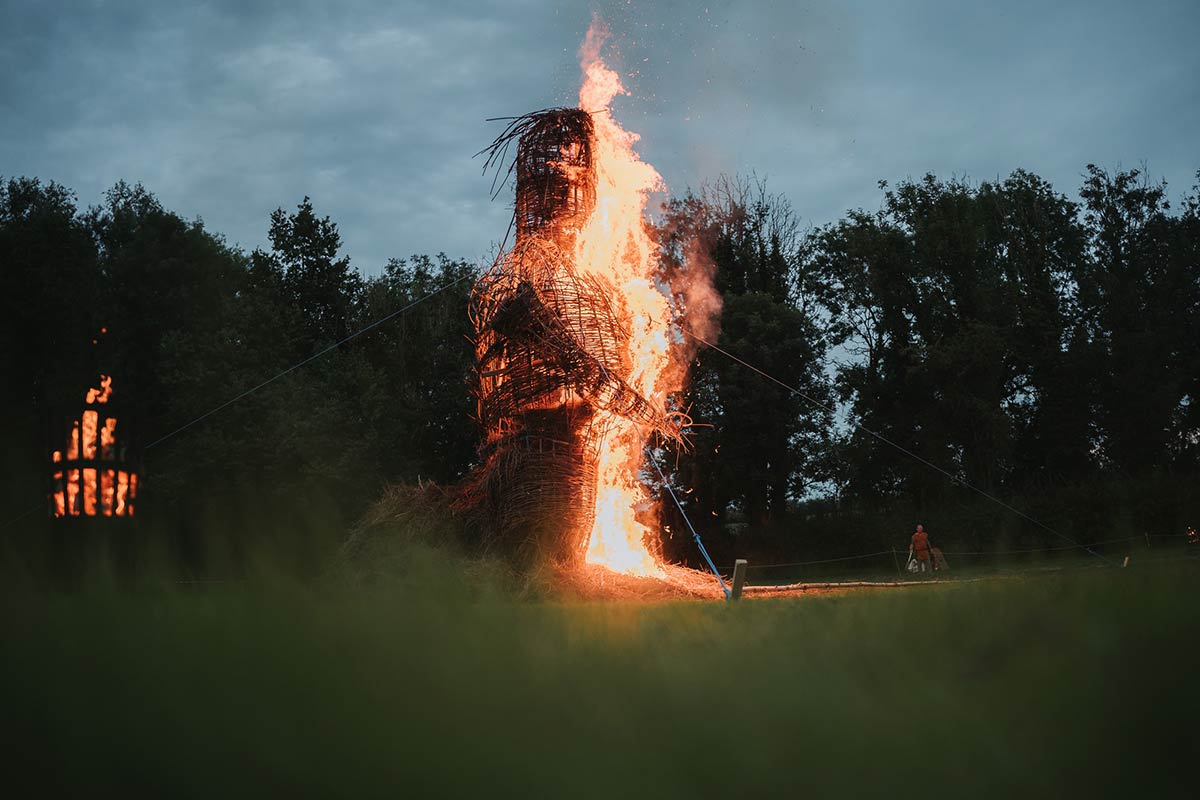
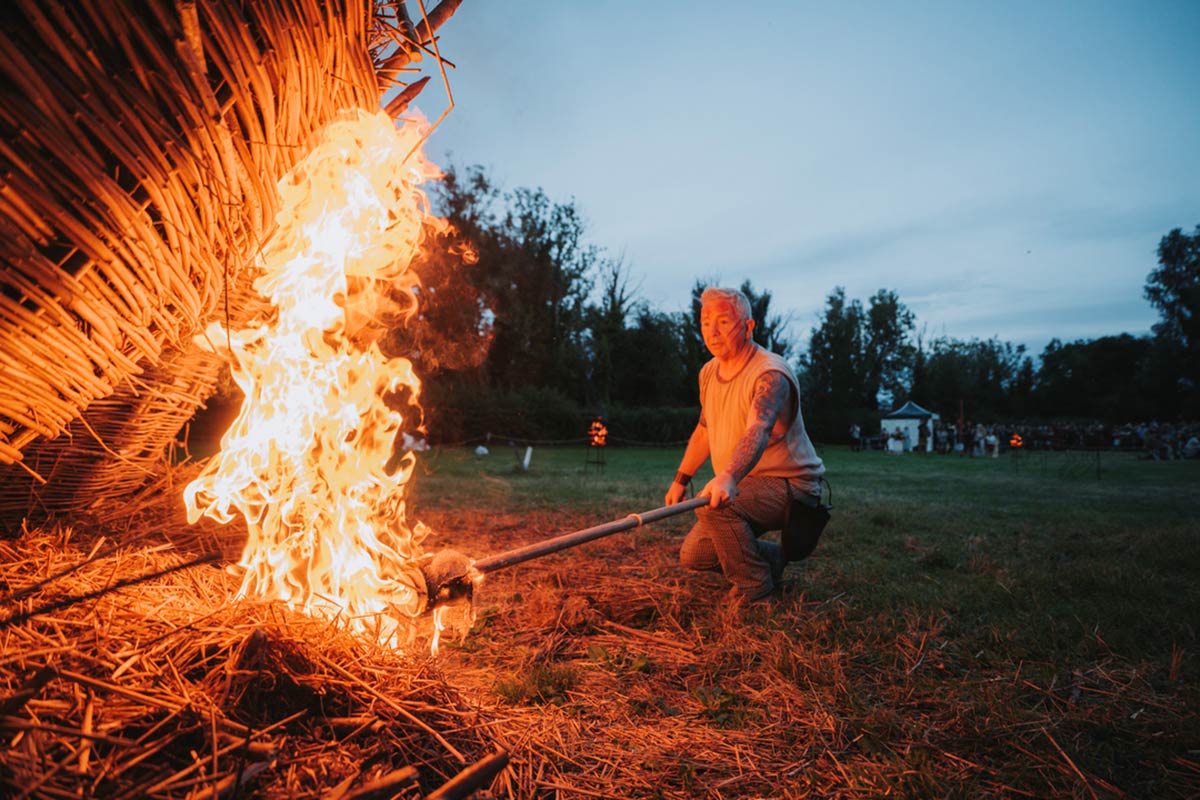
Navan Centre & Fort’s Wickerman Gathering celebrates Lughnasa with an evening of music, living history, artisan crafts and activities, building towards the dramatic burning of the towering Wickerman, our distinctive tribute to the harvest season — bringing people together through heritage, creativity and celebration.
Samhain: The Beginning — October
Discover the traditions behind Halloween. Traditionally observed around 1 November, with celebrations on the preceding evening, Samhain marked the beginning of winter. With the harvest gathered and livestock returning from summer grazing, communities turned their attention to the darker months and the supplies that would sustain them.
In Irish storytelling and later folklore, Samhain was also a threshold between the familiar world and the Otherworld. Tales of supernatural encounters and returning ancestors gave this seasonal turning a special atmosphere, helping to shape the Halloween traditions we recognise today.
At Navan Centre & Fort, Samhain: The Beginning brings this heritage into focus each October. Discover the stories and customs behind the season through an atmospheric celebration inspired by Ireland’s past — an invitation to look beyond modern Halloween and explore a festival rooted in the changing year.
Winter Solstice Mindfulness Morning — December
Pause at midwinter and welcome the returning light. Falling around 21 December, the winter solstice marks the shortest day and longest night of the year. From this turning point, daylight gradually begins to increase, offering a natural symbol of hope and renewal.
Ireland’s connection with the midwinter sun reaches back beyond the Celtic period: the Neolithic passage tomb at Newgrange was aligned with the solstice sunrise thousands of years before the Iron Age. Although the winter solstice is distinct from the four traditional Celtic seasonal festivals, it offers a powerful reminder of the importance of light and the natural world to communities living close to the land.
Our Winter Solstice Mindfulness Morning offers a contemporary opportunity to slow down and connect with this seasonal change. Mindfulness, guided meditation and a lantern-lit walk to Navan Fort create space for reflection in the winter landscape, followed by breakfast and gentle live music at the Centre. Join us to welcome the dawn and look towards the year ahead.
Experience the seasons with us
Whether you are drawn to the stories of Samhain, the stillness of a winter morning or the spectacle of the Wickerman Gathering, discover a new way to experience Ireland’s seasonal heritage at Navan Centre & Fort. Explore our upcoming events for confirmed dates, programme details and booking information, and join us as the year turns once more.